
Column: Discovery
UXmatters has published 17 editions of the column Discovery.
Top 3 Trending Discovery Columns
-
Data Analysis: Making Sense of Tally Sheets
December 16, 2019No CommentsIn the last edition of Discovery, I explained how to collect data during your early-phase prototype research using tally sheets. If you missed that column, you might want to read it before reading this column to ensure you’ll get the most out of this one.
In this column, I’ll cover data analysis for a completed tally sheet, focusing on the following key areas:
- findings versus insights—What’s the difference?
- methods of analysis—We’ll look at grounded-theory techniques, using codes, and constant comparative analysis.
- identifying themes in the data—These include the obvious, the less obvious, the not so obvious, and what didn’t happen. Read More
In Analysis | User Research -
Research Planning: A Smooth Takeoff
May 3, 2021“If you fail to plan, you are planning to fail.”—Ben Franklin
How many of you spend adequate time planning your UX research projects? Taking the time to plan your UX research saves you time in the long run. When you’re gearing up for your next UX research effort, it really pays to spend some time figuring out what you’ll need to do. In this edition of my column Discovery, I’ll examine the value of planning your UX research projects and explore what sorts of things you can do to ensure that your next research endeavor has a smooth takeoff and a successful flight rather than a crash landing. Read More
-
Book Review: The Jobs To Be Done Playbook
July 20, 2020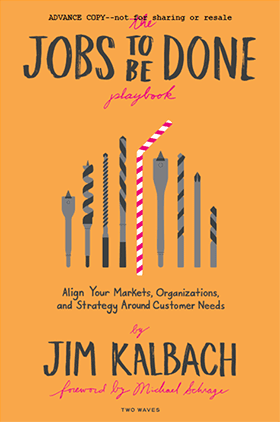 In this edition of Discovery, I’ll review Jim Kalbach’s recently published book, The Jobs To Be Done Playbook: Align Your Markets, Organizations, and Strategy Around Customer Needs. If you know nothing or everything about jobs-to-be-done, I’ll provide enough information in this review for you to decide whether this book is right for you.
In addition to authoring two other UX books—Designing Web Navigation and Mapping Experiences—Jim Kalbach is a well-known speaker at UX conferences and workshop moderator. He is also Head of Customer Experience at Mural, a software company that develops digital collaboration tools for organizations. Read More
All Discovery Columns
- Rows and Columns, Part 2: Using Formulas to Tally Data
- Rows and Columns, Part 1: Jump-starting Analysis Using Spreadsheets
- Research Planning: A Smooth Takeoff
- UX Insights from the Success or Failure of Words
- Discussion Guide Gaffes and How to Fix Them
- Delivering Meaning to Your Stakeholders
- Book Review: The Jobs To Be Done Playbook
- Forgetting to Breathe: Mindful User Research
- Popular Excuses for Not Doing Exploratory Research and How to Overcome Them
- Data Analysis: Making Sense of Tally Sheets
- Visual Data Collection: Making Sense of Tally Sheets
- UX Research: The Tinkering Mindset
- Sensemaking with Annotations
- The Power of Metaphor
- UX Research: Using Sketches in Asking Questions
- UX Research: Facing Ambiguity Head On
- 7 Questions to Ask Users Early in the Product Lifecycle
New on UXmatters
- Linking Customer Experience to Business Results for Sustainable Growth
- Using AI to Design Better Mobile-App User Experiences
- Leveraging the Psychology of Color in UX Design for Health and Wellness Apps
- Elevating the User Experience and Fostering Loyalty: Accessible Design for Travel-Booking User Interfaces
- Using Data Analytics to Optimize the In-Store and Online Retail Experience